8. Flores – Island of Wonders.
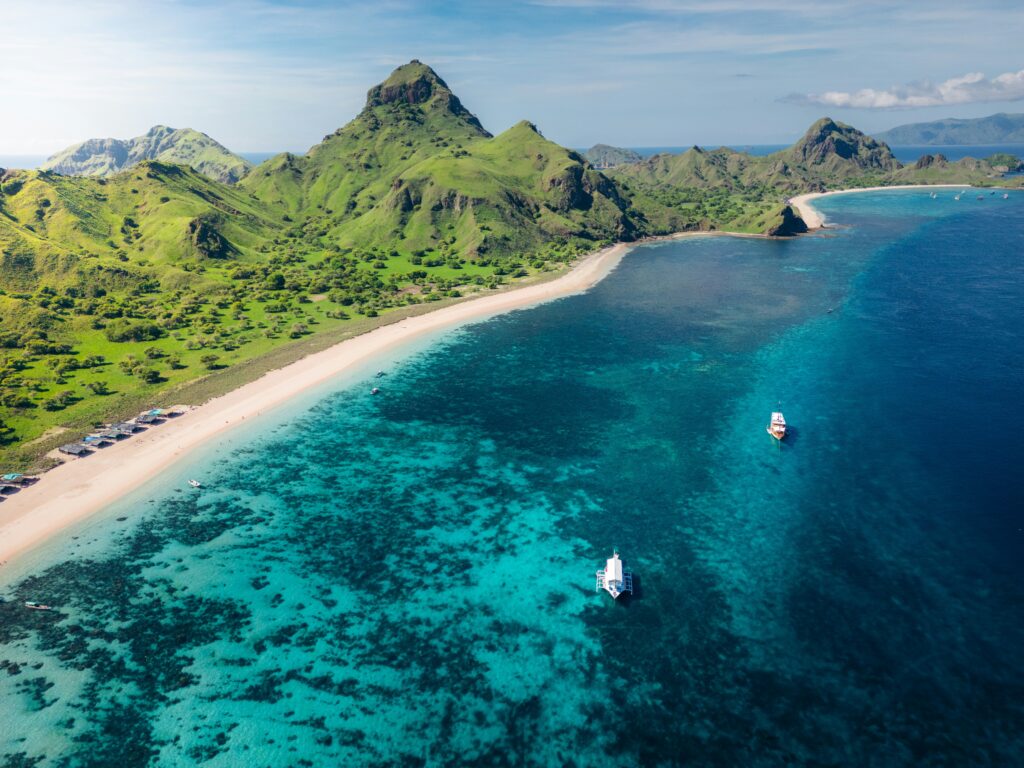
Flores, in East Nusa Tenggara, is a hidden gem known for its volcanoes, colorful lakes, traditional villages, and marine biodiversity. It’s also the gateway to Komodo National Park.
Top Attractions & Experiences:
- Kelimutu National Park:
- Famous for the tri-colored volcanic lakes (Tiwu Ata Mbupu – ancestral lake, Tiwu Nuwa Muri Koo Fai – young lake, Tiwu Ata Polo – old lake).
- Colors change due to volcanic mineral reactions.
- Trek to sunrise viewpoint for breathtaking photos.
- Traditional Villages:
- Bena Village: Ancient village preserving megalithic culture and traditional houses.
- Learn local weaving techniques, rituals, and ancestral ceremonies.
- Labuan Bajo:
- Base for Komodo National Park; explore beaches, diving spots, and sunset viewpoints.
- Hidden Beaches:
- Waecicu Beach: White sand and clear waters, less crowded.
- Pink Beach Flores: Smaller version of Komodo’s pink sand beach.
- Waterfalls & Caves:
- Cunca Wulang Canyon & Waterfall: Excellent for trekking, canyoning, and natural pools.
- Diving & Snorkeling:
- Rich coral reefs and abundant marine life around Labuan Bajo and nearby islands.
Cultural & Historical Insights:
- Flores is home to various ethnic groups including Manggarai and Ngada, each with unique traditions.
- Participate in local ceremonies, traditional dances, and weaving workshops.
- Visit markets to experience daily life and traditional crafts.
Local Cuisine:
- Ikan Kuah Asam: Sour fish soup flavored with tamarind and local spices.
- Jagung Bose: Corn dish common in Manggarai villages.
- Se’i Sapi: Smoked beef, a traditional Flores delicacy.
- Tropical fruits such as mangosteen, passionfruit, and papaya.
Accommodation Options:
- Budget: Homestays and guesthouses ($10–$25/night)
- Mid-range: Boutique hotels and eco-lodges ($50–$120/night)
- Luxury: Resorts with private island tours or diving packages ($200+/night)
Travel Tips:
- Best season: April–November (dry season, calm seas)
- Transport: Rent a car or hire driver-guide for flexible island exploration
- Photography Tip: Sunrise at Kelimutu, traditional villages, underwater shots near Labuan Bajo
- Sustainable Tourism: Respect local communities, avoid plastic waste, and use reef-safe sunscreen for snorkeling/diving
9. Jakarta – The Vibrant Capital.
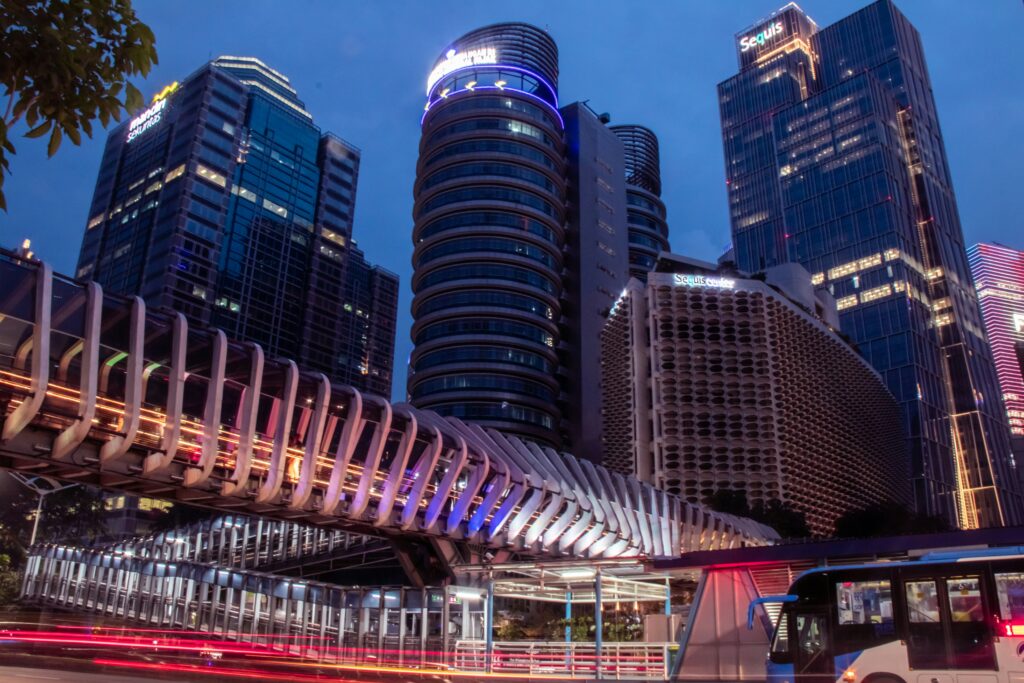
Jakarta, Indonesia’s bustling capital, is a dynamic metropolis blending history, modernity, and diverse cultural experiences. It’s a perfect stop for city lovers, food enthusiasts, and history buffs.
Top Attractions & Experiences:
- National Monument (Monas):
- Symbol of Indonesia’s independence, standing at 132 meters.
- Observation deck offers panoramic city views; ideal for sunrise or sunset photography.
- Kota Tua (Old Town):
- Dutch colonial architecture, museums, cafes, and cobblestone streets.
- Visit Fatahillah Square and Museum Bank Indonesia.
- Thousand Islands (Kepulauan Seribu):
- Archipelago north of Jakarta; perfect for snorkeling, diving, and island hopping.
- Pristine beaches and small local resorts make it a quick tropical escape.
- Ancol Dreamland & Dunia Fantasi:
- Family-friendly theme park and entertainment complex.
- Culinary Tours:
- Explore local street foods like gado-gado, bakso, satay, and kerak telor.
- Traditional markets such as Pasar Baru and Pasar Santa offer authentic culinary experiences.
- Hidden Gems:
- Setu Babakan: Betawi cultural village preserving traditional arts, dances, and cuisine.
- Kampung Betawi: Learn about Jakarta’s indigenous Betawi community.
Cultural & Historical Insights:
- Jakarta reflects a mix of Javanese, Betawi, Chinese, and Dutch colonial influences.
- Traditional festivals like Jakarta Fair (annual) celebrate arts, music, and local crafts.
Accommodation Options:
- Budget: Hostels ($10–$30/night)
- Mid-range: City hotels ($40–$100/night)
- Luxury: 5-star hotels and serviced apartments ($150+/night)
Travel Tips:
- Best season: June–September (dry season)
- Transportation: Use MRT, TransJakarta bus, ride-hailing apps, or taxis to avoid traffic.
- Photography Tips: Sunrise at Monas, street photography in Kota Tua, sunset at Ancol beaches.
- Sustainable Tourism: Respect local communities, support local food vendors, and avoid littering.
10. Sumatra – Nature, Wildlife & Adventure.
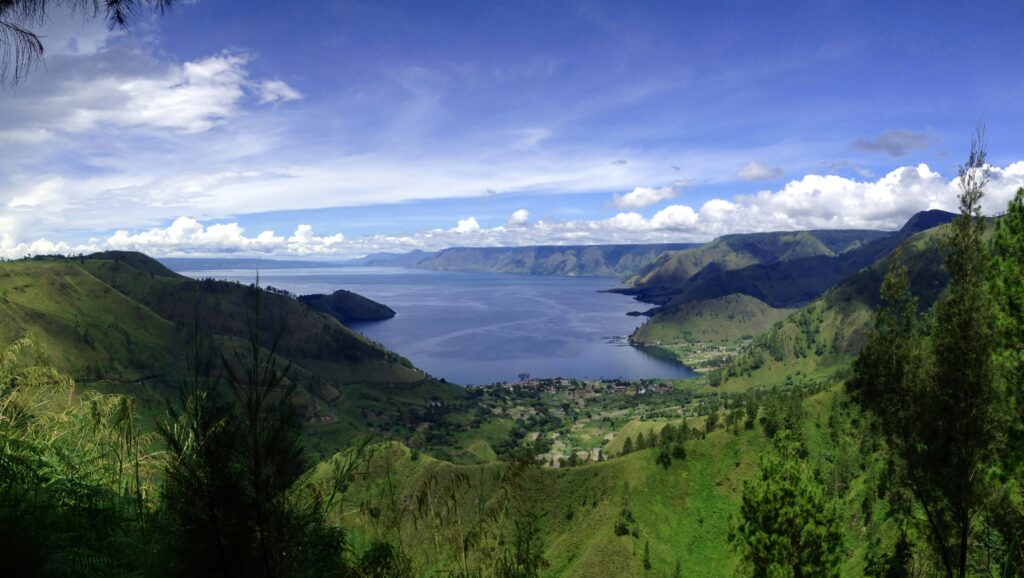
Sumatra, Indonesia’s sixth-largest island, is famous for its jungles, volcanoes, lakes, and unique wildlife. It’s ideal for adventure seekers, nature lovers, and cultural travelers.
Top Attractions & Experiences:
- Lake Toba:
- Largest volcanic lake in the world with Samosir Island in the middle.
- Relax in lakeside villages, explore traditional Batak houses, and enjoy hot springs.
- Bukit Lawang & Gunung Leuser National Park:
- Jungle trekking to see orangutans in the wild.
- Guided tours provide safety and educational experiences about rainforest conservation.
- Mentawai Islands:
- Surfing paradise with untouched beaches, coral reefs, and indigenous Mentawai culture.
- Experience traditional longhouse stays and tattoo art.
- Kerinci Seblat National Park:
- Explore Sumatra’s largest national park; home to Sumatran tigers, elephants, and rhinos.
- Hiking Mount Kerinci, Indonesia’s highest volcano, is a must for experienced trekkers.
- Harau Valley & Sianok Canyon (West Sumatra):
- Dramatic cliffs, waterfalls, rice terraces, and rock climbing opportunities.
- Medan City:
- Gateway to North Sumatra attractions. Visit Maimun Palace, Great Mosque of Medan, and local markets.
Cultural & Historical Insights:
- Home to diverse ethnic groups: Batak, Minangkabau, Malay, Acehnese.
- Traditional music, dance, and weaving are integral parts of local culture.
- Festivals such as Tabuik Festival (West Sumatra) celebrate local traditions with music, rituals, and parades.
Local Cuisine:
- Rendang: Spicy beef stew from West Sumatra, world-renowned.
- Saksang: Batak-style pork dish cooked with blood and spices.
- Mie Aceh: Spicy noodle dish with seafood or beef.
- Keripik Balado: Spicy chili potato chips, popular snack.
Accommodation Options:
- Budget: Guesthouses & homestays ($10–$25/night)
- Mid-range: Boutique hotels ($40–$100/night)
- Luxury: Lakeside resorts near Lake Toba or eco-lodges in rainforest ($150+/night)
Travel Tips:
- Best season: April–October (dry season, easier trekking)
- Transportation: Domestic flights are recommended due to large distances; buses and car rentals for local exploration.
- Photography Tips: Sunrise over Lake Toba, orangutans in the jungle, waterfalls in Harau Valley.
- Sustainable Tourism: Respect wildlife habitats, avoid feeding animals, support local eco-tourism projects.
11. Sulawesi – Cultural and Marine Adventures.
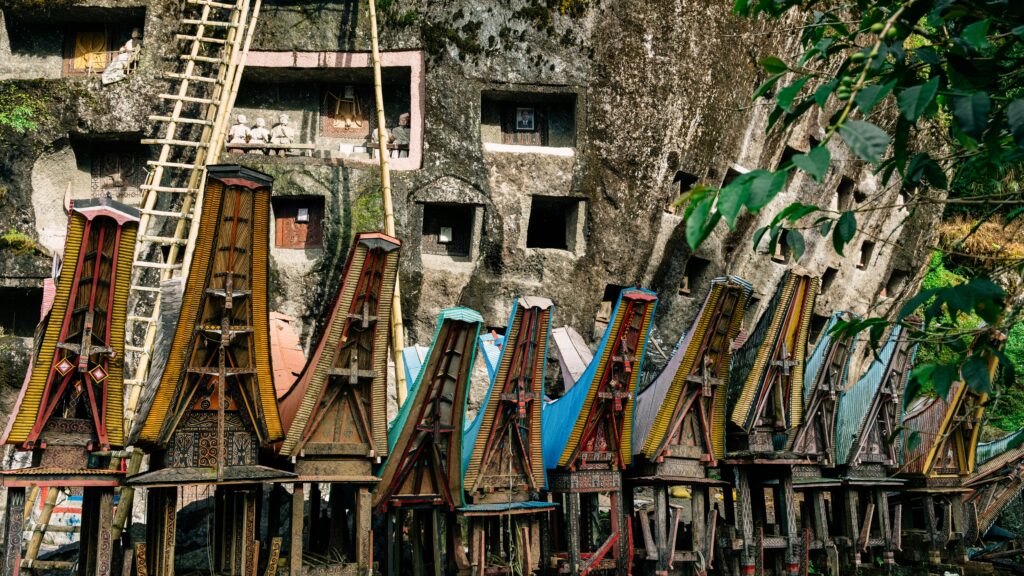
Sulawesi is a uniquely shaped island in eastern Indonesia, known for its diverse cultures, spectacular diving spots, and dramatic landscapes. It’s perfect for travelers seeking both cultural immersion and adventure.
Top Attractions & Experiences:
- Tana Toraja:
- Famous for traditional Tongkonan houses with iconic boat-shaped roofs.
- Witness elaborate burial rituals and cliff-side burial sites where coffins are placed in caves.
- Explore local markets and participate in traditional ceremonies if timed right.
- Bunaken Marine Park:
- World-class diving destination with over 390 species of coral reef fish.
- Snorkeling for beginners; scuba diving for certified divers.
- Lake Poso:
- Scenic freshwater lake surrounded by mountains.
- Ideal for kayaking, swimming, and village exploration.
- Wakatobi National Park:
- Remote, pristine coral reefs and rare marine species.
- A top destination for dedicated divers seeking untouched ecosystems.
- Togean Islands:
- Hidden gems for snorkeling, kayaking, and exploring traditional Bajo (sea gypsy) villages.
Cultural & Historical Insights:
- Torajan culture is highly ritualistic; funerals can last several days and include dances, buffalo sacrifices, and feasts.
- Sulawesi is home to multiple ethnic groups, each with unique traditions and crafts.
Local Cuisine:
- Coto Makassar: Traditional beef soup with aromatic spices.
- Pisang Epe: Grilled pressed banana with palm sugar sauce.
- Ikan Bakar: Fresh grilled fish with chili sauce, widely available in coastal villages.
- Tinutuan: Manado-style vegetable porridge.
Accommodation Options:
- Budget: Homestays and guesthouses ($10–$30/night)
- Mid-range: Boutique hotels in Toraja and coastal towns ($50–$120/night)
- Luxury: Eco-resorts and diving lodges in Wakatobi and Bunaken ($200+/night)
Travel Tips:
- Best season: May–September (dry season)
- Transportation: Domestic flights for long distances; motorbikes or cars for local travel
- Photography Tips: Sunset over Lake Poso, cliff-side burial sites in Toraja, underwater photography in Bunaken and Wakatobi
- Sustainable Tourism: Respect indigenous customs; avoid disturbing coral reefs and wildlife
12. Maluku Islands – Historical and Serene.
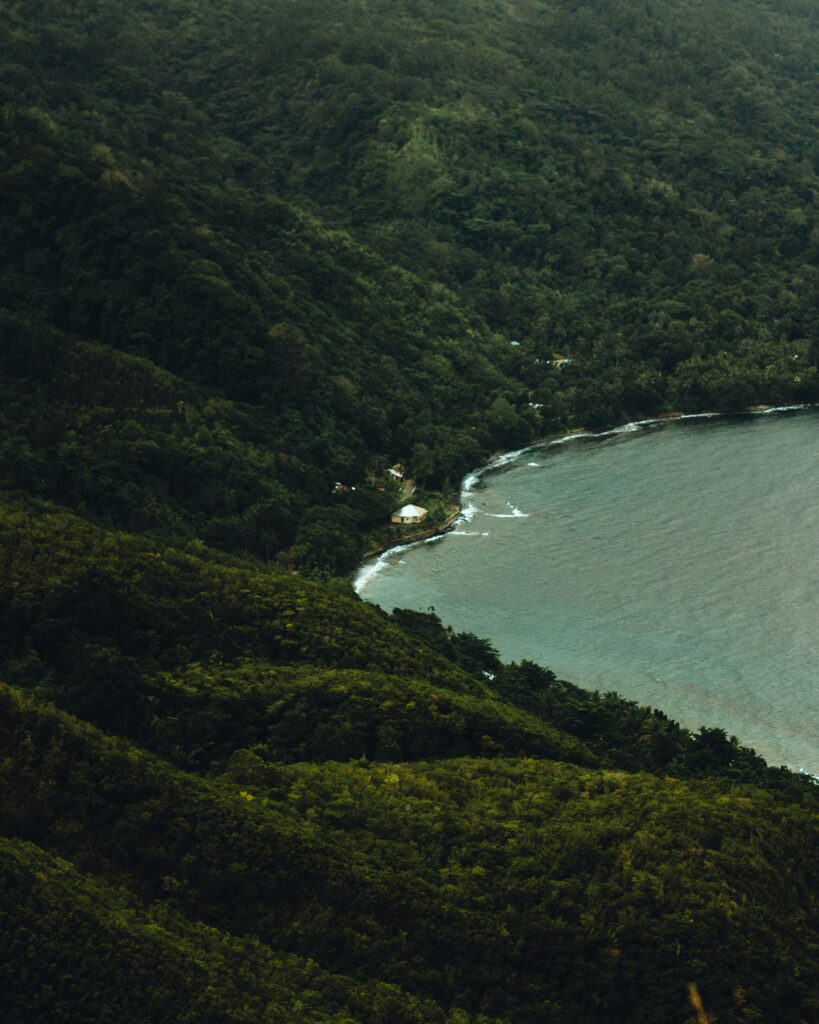
The Maluku Islands, also known as the Spice Islands, are located in eastern Indonesia and are rich in history, unspoiled beaches, and vibrant marine life.
Top Attractions & Experiences:
- Ambon:
- Capital city with colonial Dutch architecture and cultural museums.
- Explore beaches such as Natsepa and Ambon Bay for swimming and snorkeling.
- Banda Islands:
- Historical nutmeg plantations; played a pivotal role during the spice trade.
- Small islands with coral reefs, ideal for diving and photography.
- Seram Island:
- Untouched rainforests, waterfalls, and trekking trails.
- Explore Mount Binaiya, the highest peak in Maluku, for adventurous hikes.
- Saparua & Haruku Islands:
- Traditional villages, colonial forts, and cultural festivals.
- Diving & Snorkeling:
- Some of Indonesia’s best-kept underwater secrets with vibrant coral reefs and abundant marine biodiversity.
Cultural & Historical Insights:
- Maluku has a mix of Christian and Muslim communities living in harmony.
- Local traditions include Cakalele dance, performed during ceremonies and celebrations.
- The region’s history as the center of the global spice trade has left colonial forts and historical landmarks.
Local Cuisine:
- Ikan Kuah Pala: Fish cooked with nutmeg and spices.
- Pisang Rai: Traditional boiled bananas with coconut.
- Sago-based dishes: A staple in Maluku villages.
- Fresh tropical seafood is abundant across the islands.
Accommodation Options:
- Budget: Guesthouses and homestays ($10–$30/night)
- Mid-range: Boutique resorts on Banda or Ambon ($50–$120/night)
- Luxury: Private villas or eco-resorts with diving packages ($200+/night)
Travel Tips:
- Best season: April–October (dry season)
- Transportation: Fly to Ambon as main entry point; ferries or small boats to nearby islands
- Photography Tips: Colonial forts, traditional dances, underwater photography, sunsets on remote islands
- Sustainable Tourism: Respect local customs, support local guides, avoid plastic waste
Explore the Wonders of Indonesia
Indonesia is more than just a travel destination; it’s a journey through diverse landscapes, rich cultures, ancient traditions, and unforgettable experiences. From the spiritual temples of Bali and the cultural heart of Yogyakarta, to the wild Komodo dragons, the vibrant marine life of Raja Ampat, and the serene islands of Lombok and Flores, every corner of this archipelago offers something truly unique.
Whether you are a nature lover, adventure seeker, history enthusiast, or foodie, Indonesia provides endless opportunities to immerse yourself in local life, capture breathtaking scenery, and create memories that last a lifetime.
As you plan your 2025 travels, remember to:
- Respect local cultures and traditions – they are the soul of each destination.
- Support sustainable tourism – from eco-friendly accommodations to responsible wildlife encounters.
- Take your time – Indonesia is vast, and each island has stories waiting to be discovered.
Start your journey today and experience why Indonesia is known as the “Emerald of the Equator” – a land where every adventure feels magical, every meal tells a story, and every sunset leaves you speechless.
Your next unforgettable adventure awaits… in Indonesia.