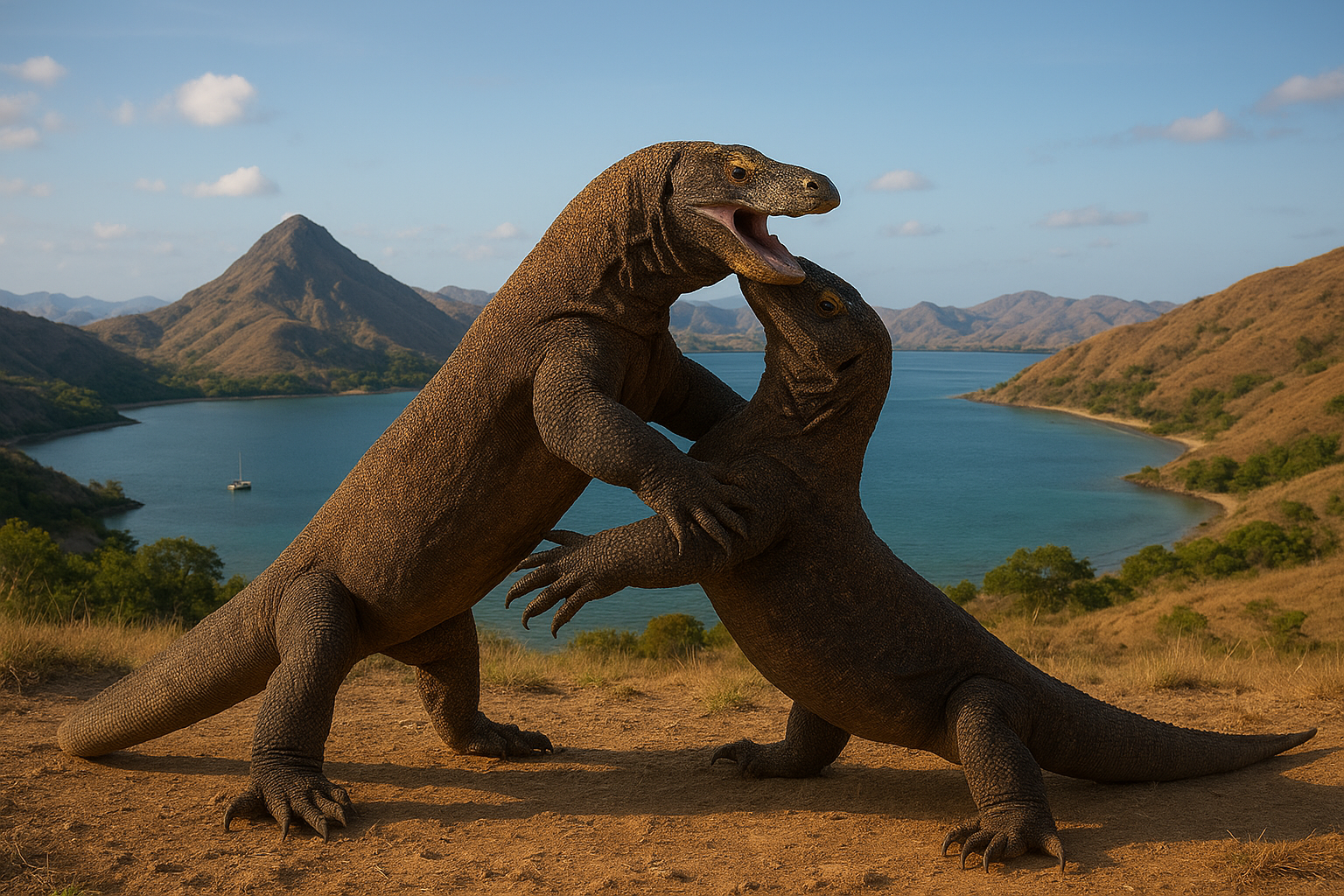
Komodo Island is one of Indonesia’s most remarkable natural destinations home to the legendary Komodo dragons, pink-sand beaches, turquoise waters, world-class dive sites, and rugged hills that offer some of the most iconic viewpoints in Southeast Asia. As part of the UNESCO-listed Komodo National Park, the region is a protected sanctuary rich in unique wildlife, pristine coral reefs, and dramatic landscapes shaped by volcanic history.
Whether you’re an adventure traveler, wildlife enthusiast, or marine lover, Komodo Island promises an unforgettable experience. But to fully enjoy your journey, it’s important to know the best time to visit, the weather conditions throughout the year, and safety tips, especially when trekking near the Komodo dragons.
Below is a comprehensive, expanded guide with all previous information included and enhanced.
BEST TIME TO VISIT KOMODO ISLAND
Komodo National Park can be visited throughout the year, but each season offers different experiences in terms of weather, marine life visibility, and tourist volume. Understanding these seasonal differences will help you plan the perfect trip.
🌤️ Best Overall Season: April – June (Cool Weather, Best Scenery)
This is widely considered the most beautiful time of the year. After months of rainfall, the islands become lush, green, and vibrant. The weather is pleasant and the visibility underwater is excellent.
Why April–June Is Ideal
- Calm seas perfect for island hopping
- Best conditions for snorkeling and scuba diving
- Great chance to see manta rays
- Hills of Padar and Komodo Island are green (rare and photogenic)
- Fewer crowds compared to the July–September peak
Activities Recommended This Season
- Sunrise hike on Padar Island
- Swimming with manta rays at Manta Point
- Exploring Pink Beach
- Trekking on Rinca Island
☀️ Peak Season: July – September (Dry, Sunny, and Busy)
This is the most popular travel period due to consistently sunny days and minimal rainfall. It’s the favorite season for hikers, divers, and landscape photographers.
What to Expect During Peak Season
- Hot, dry weather
- Excellent visibility underwater up to 30 meters
- More tourists at popular spots
- Hotel and tour prices slightly higher
Why Many Visitors Prefer This Season
- Clear blue skies for landscape photography
- Very stable sea conditions
- Perfect for long hikes and outdoor activities
🌧️ Rainy Season: November – March (Quiet, Cheaper, but Wetter)
Komodo National Park receives more rainfall during this period, but it’s still accessible. Some travelers enjoy coming during this season for a more peaceful experience.
Pros of Visiting During Rainy Season
- Fewer tourists, more privacy
- Lower flight and tour prices
- Photography-friendly dramatic skies
- Green landscapes begin to reappear
Cons to Consider
- Sea conditions can be rough
- Some tours may be rescheduled or canceled
- January–February is the riskiest for sailing due to strong waves
WILDLIFE SEASONALITY: WHEN TO SEE WHAT
Komodo National Park is home not just to Komodo dragons but also a wide variety of marine and terrestrial wildlife. Here’s when to catch the best moments:
Komodo Dragons
- Visible all year
- Mating season: July–August (dragons more active)
- Nesting season: September–November (rangers may restrict certain areas)
Manta Rays
- Best: December–February
- Still seen year-round at Manta Point and Karang Makassar
Dolphins
- Frequently seen from April–September
Sea Turtles
- Nesting peak: March–May
ESSENTIAL SAFETY TIPS FOR VISITING KOMODO ISLAND
Seeing Komodo dragons in their natural habitat is a thrilling experience, but it requires caution. These animals are powerful, fast, and unpredictable.
Here are all the safety tips you need, including expanded explanations:
1. Always Stay With a Certified Local Ranger
Rangers know the dragons’ movements and body language. They carry a wooden forked stick called a „tongkat“ to deter dragons if necessary.
Why This Is Important
- Komodo dragons can sprint up to 20 km/h
- They can camouflage in bushes or under stilt houses
- Rangers know escape routes and safe distances
2. Keep a Safe Distance (2–3 Meters or More)
Even if a dragon looks calm or sleepy, it can suddenly charge or whip its tail.
Never Do This:
- Touching or provoking dragons
- Blocking their path
- Kneeling or crouching too close for photos
3. Avoid Sudden Movements or Loud Noises
Komodo dragons react to motion and sound. Sudden movements may trigger their hunting instinct.
Pro tips
- Walk slowly
- Don’t run—running makes you look like prey
- Follow the ranger’s walking speed
4. Do Not Bring or Reveal Food
Dragons can detect the smell of blood and food from kilometers away.
Important Notes
- Don’t snack during the trek
- Keep bags fully zipped
- Never leave food in open spaces on boats
5. Safety For Women
Because dragons are extremely sensitive to the scent of blood, women who are menstruating should inform the ranger discreetly.
They will:
- Choose safer routes
- Keep you in the middle of the group
- Avoid areas where dragons frequently gather
6. Wear Proper Footwear and Trekking Clothing
Trails are rocky, dry, and sometimes steep. Good shoes prevent slipping, especially on Padar Island.
Recommended Clothing
- Breathable, quick-dry shirts
- Trekking sandals or shoes with strong grip
- Hat and UV-protective sunglasses
7. Bring Plenty of Water and Sun Protection
Komodo’s climate is hot and dry. Heat-related dehydration is common among visitors.
What You Should Bring
- At least 1–2 liters of drinking water
- SPF 30–50 sunscreen
- Lightweight scarf or bandana
8. Be Cautious When Swimming or Snorkeling
Currents in Komodo National Park are notorious. Always listen to your guide.
Safe Snorkeling Spots
- Pink Beach
- Taka Makassar
- Kanawa Island
Spots With Strong Currents
- Batu Bolong
- Crystal Rock
- Manta Point
Only experienced swimmers/divers should attempt advanced dive sites.