You work hard for your money but somehow, it always disappears faster than expected.
The problem isn’t the big purchases.
It’s the small, daily habits that quietly drain your wallet without you even realizing it.
From one-click shopping to automatic subscriptions and late-night delivery orders, it’s easy to spend without even noticing.
Let’s fix that. Here’s a guide to the everyday money mistakes that drain your wallet and simple ways to stop them before they add up.
1. The “Just This Once” Habit
We all say it: “I’ll buy it just this once.”
One small purchase doesn’t feel like a big deal a $5 coffee, a late-night snack, or a little online shopping “because it’s on sale.”
But when these little purchases happen every day or every week, they add up quickly.
Here’s an example:
- $5 a day → $150 a month
- $150 a month → $1,800 a year
Suddenly, that “just this once” habit isn’t so small anymore. It’s money that could have gone into your savings, an emergency fund, or even a small trip.
Why it happens:
- Convenience: it’s easier to grab a coffee than make one at home.
- Habit: small indulgences become part of your routine.
- Instant reward: you get a quick pleasure, even if it costs a little.
Try this instead:
- Brew coffee at home 2–3 times a week instead of buying it.
- Pack your snacks for work or school, so you’re not tempted by vending machines or takeout.
- Pause before buying online, ask yourself: “Do I really need this right now, or am I just buying it because it’s easy?”
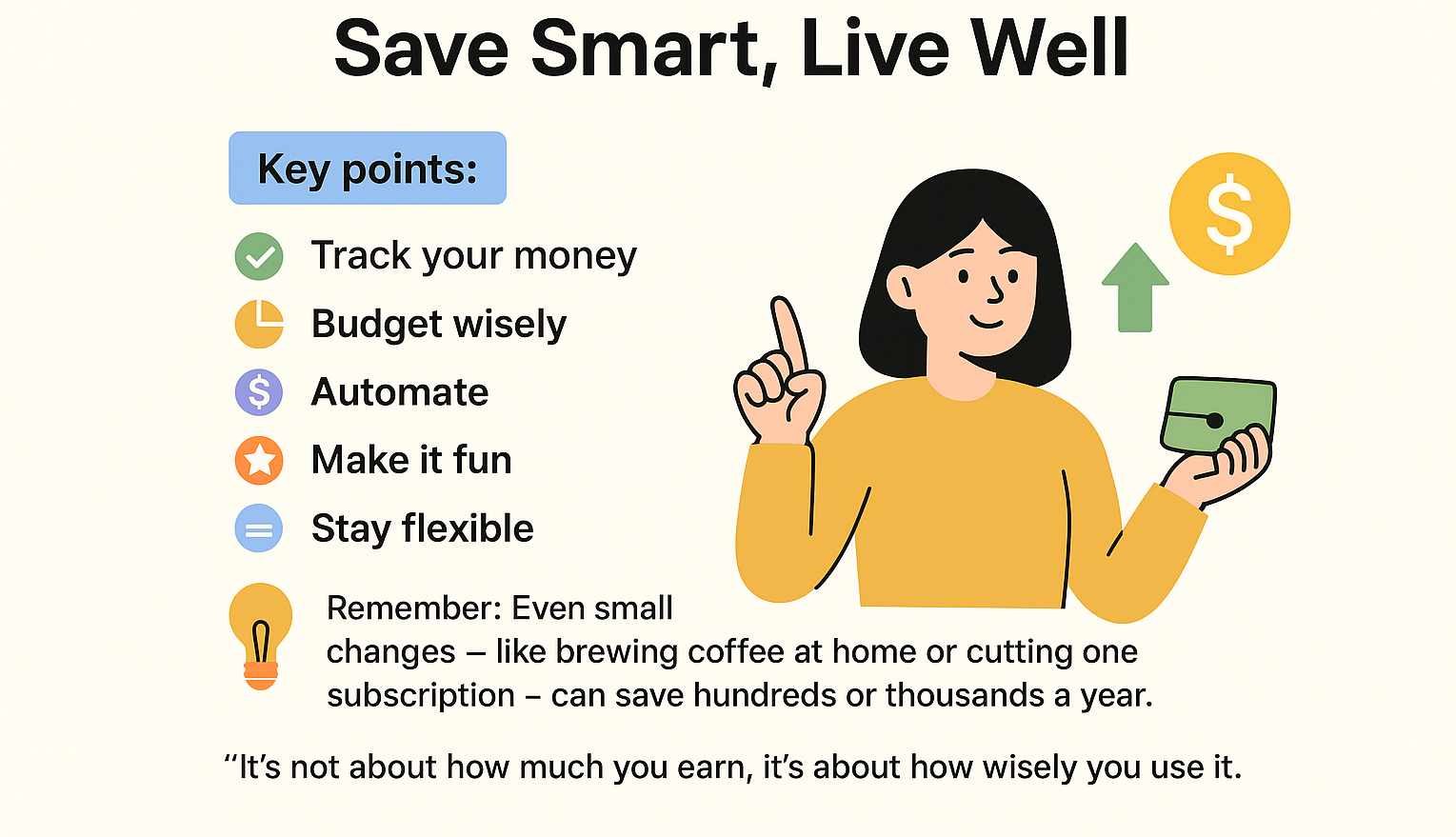
Even small changes can save hundreds or thousands over a year, and you’ll feel more in control of your spending.
2. Treating Credit Cards Like Free Money
Credit cards make spending feel effortless, no cash leaving your wallet immediately, no instant pain. It’s easy to think, “I’ll just pay it later.”
But here’s the truth: credit isn’t free money. It’s borrowed money, and if you don’t pay it off quickly, it gets more expensive over time because of interest.
How it adds up:
- Average credit card interest rates are around 20–25%.
- Let’s say you charge $1,000 but only pay the minimum. Over a year, that balance could grow to $1,250 or more.
- Even small unpaid balances build up fast, quietly eating away at your money.
Why this happens:
- Minimum payments cover mostly interest, not the actual balance.
- People often forget how fast interest compounds.
- Swiping feels “free” because you don’t feel the money leaving right away.
Tips to avoid credit card traps:
- Only charge what you can pay in full at the end of the month.
- Pay more than the minimum whenever possible even an extra $20 reduces your debt faster.
- Keep one card for emergencies, not everyday convenience.
“Credit is useful only when you control it, not when it controls you.”
Track your spending as if it’s cash. Imagine every swipe coming out of your wallet immediately. This simple mindset can stop overspending before it happens.
3. The Subscription Trap
Subscriptions can feel cheap and harmless a few dollars here, a few dollars there.
But when you add them all up, they can quietly take $50–$100 or more from your wallet each month money you could be saving or spending on something more meaningful.
Think about it: streaming services, fitness apps, cloud storage, music apps… each seems small, but together they add up quickly.
| Service | Monthly Cost | Usage Check |
|---|---|---|
| Streaming | $12 | Used weekly |
| Fitness app | $10 | Rarely used |
| Cloud storage | $5 | Used monthly |
| Music | $10 | Often used |
Reality check:
Most people have 6–10 subscriptions but actively use less than half. You’re essentially paying for things you don’t need or even notice.
Why it happens:
- Subscriptions are automatic you don’t have to think about them.
- It’s easy to forget small charges on your bank statement.
- Free trials or promotional offers trick you into continuing payments.
Tips to avoid wasting money on subscriptions:
- Audit your subscriptions every 60 days check which ones you really use.
- Cancel unused or rarely used services if you haven’t touched it in a month, you probably don’t need it.
- Switch to family or shared plans many streaming and cloud services allow multiple users at a reduced cost.
- Set reminders for trial periods so you don’t get charged automatically.
By staying aware of your subscriptions, you can save hundreds of dollars a year with minimal effort — money that can go toward savings, experiences, or investments.
4. Paying for Convenience Too Often
We often spend more than we think not because we’re careless, but because life is busy. After a long day, ordering food, taking a ride, or using a small service seems faster and easier than cooking or doing things ourselves.
The problem is these small conveniences add up quickly. Before you know it, hundreds of dollars a month are gone enough to save for a trip, buy gadgets, or pay bills.
Realistic Example: Daily Convenience Spending
Little everyday expenses can add up and take a big part of your money.
| Convenience | Cost | How Often | Monthly Total |
|---|---|---|---|
| Food delivery (Uber Eats, DoorDash, etc.) | $12 | 3x/week | $144 |
| Ride-share (Uber, Lyft) | $10 | 5x/week | $200 |
| Pre-packaged snacks / bottled drinks | $3 | 7x/week | $84 |
| Meal kits / prepared food boxes | $15 | 2x/month | $30 |
| Small app purchases (productivity, mobile tools) | $5 | 4x/month | $20 |
Total monthly cost: $478
Total yearly cost: $5,736
Why This Happens
- Time-saving: Using apps or services is faster than doing it yourself.
- Automatic spending: Small charges happen without noticing.
- Instant reward: Convenience gives quick satisfaction, making it easy to repeat.
- Hard to notice: People rarely add up these small costs, so it feels harmless.
How It Affects Your Money
- Less money for savings or investing.
- Harder to stick to a budget, because small expenses pile up.
- You might feel in control, but over time, these habits drain your money quietly.
Simple Tips to Save
- Plan “lazy days”, allow delivery or services 1–2 times a week so it doesn’t feel restrictive.
- Batch tasks, cook meals or handle chores ahead to avoid paying for convenience.
- Limit ride-shares, walk, bike, or take public transport when possible.
- Track small purchases, write down all snacks, deliveries, meal kits, and app purchases for a month.
- Set a monthly convenience budget, decide in advance how much you’ll spend on these habits.
- Use cheaper alternatives, prepare meals or snacks at home, handle small chores yourself, or use free apps instead of paid ones.
Convenience is good it saves time and energy. The problem is when it becomes a daily habit that silently eats your money. With awareness and small adjustments, you can enjoy convenience while saving hundreds of dollars each month and making smarter financial choices.
5. Ignoring Expensive Bad Habits
Bad habits don’t just affect your health they also drain your money. Take smoking as a clear example.
Even if one pack seems affordable, the cost adds up quickly.
Example: How Much Smoking Costs
- $10 per pack × 30 days = $300 per month
- $300 × 12 months = $3,600 per year
That’s enough money for a vacation, a laptop, or several months of rent. Over time, smoking quietly takes a big bite out of your budget.
Why It Happens
- Smoking provides instant satisfaction, which makes it easy to repeat every day.
- The expense often feels small because you pay a little at a time.
- People rarely add up the total cost, so they underestimate how much they’re spending.
Simple Steps to Reduce Smoking Costs
- Start small, reduce gradually rather than quitting overnight. Even skipping a few days a week saves money.
- Track your spending, write down how much you spend on cigarettes each week or month.
- Save what you would have spent, put it in a “Reward Jar” or separate savings account.
- Celebrate progress, seeing your savings grow week by week is motivating.
Smoking is expensive over time, but small, gradual changes can make a big difference. By reducing, tracking, and saving, you can turn money that would have been spent on cigarettes into savings for something meaningful.